An ancient faith, a modern story.
Follow the story of the modern Copts, from the French Occupation of Egypt in 1798 to the present.
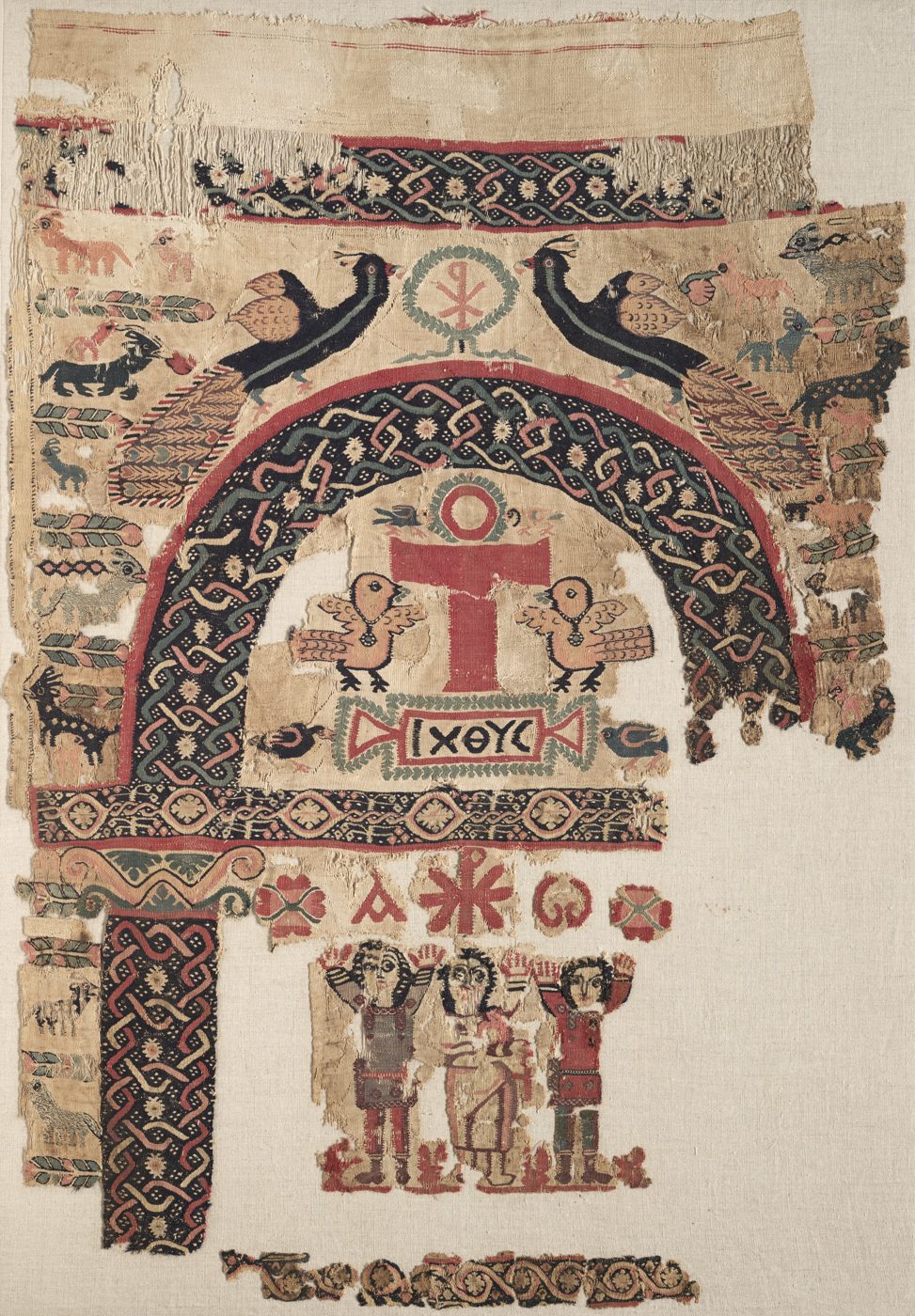
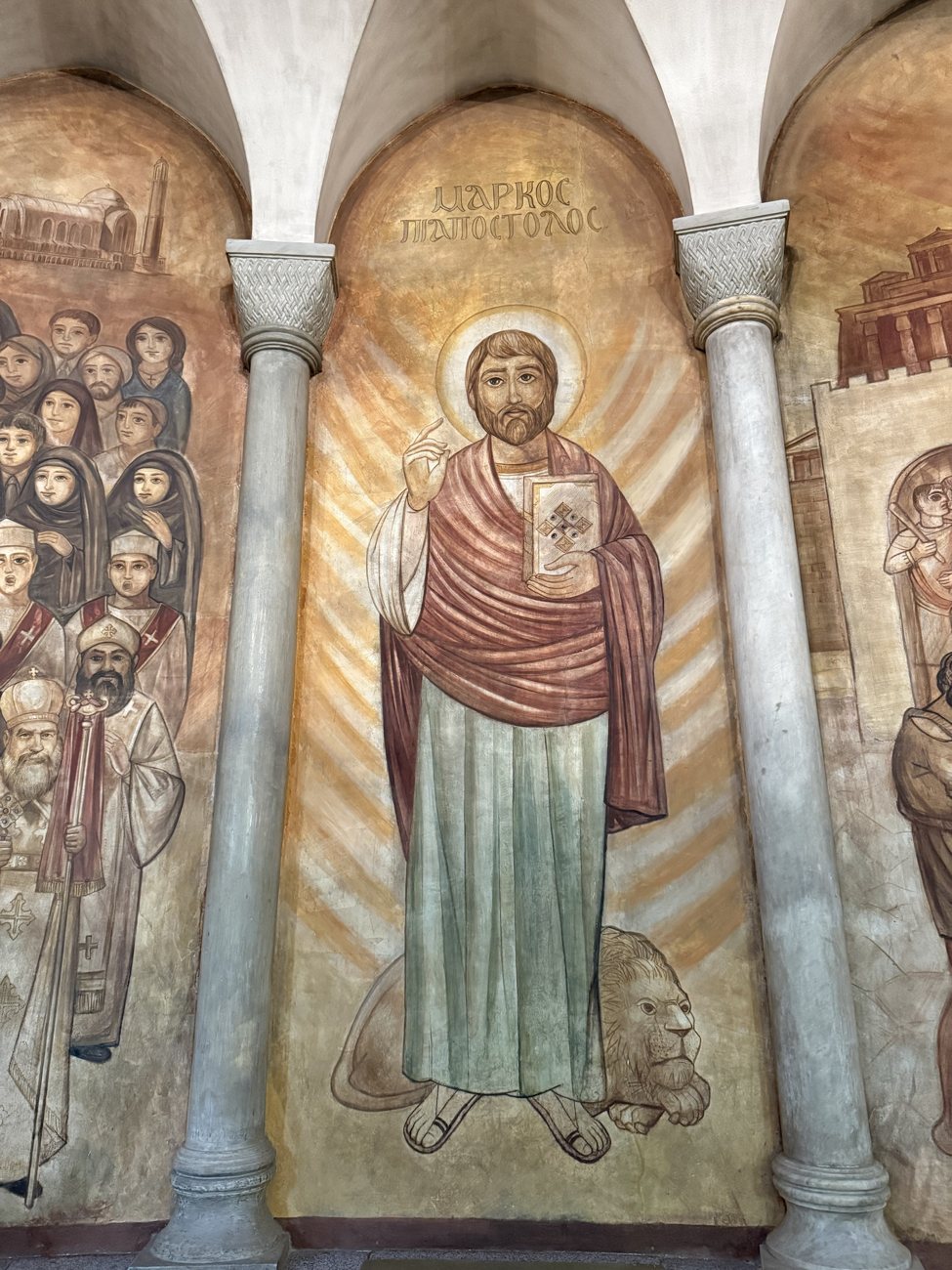
St. Mark the Apostle
St. Mark brought the Gospel to Egypt and founded the Church of Alexandria, the first of its popes. 64 articles in our archive mention him.
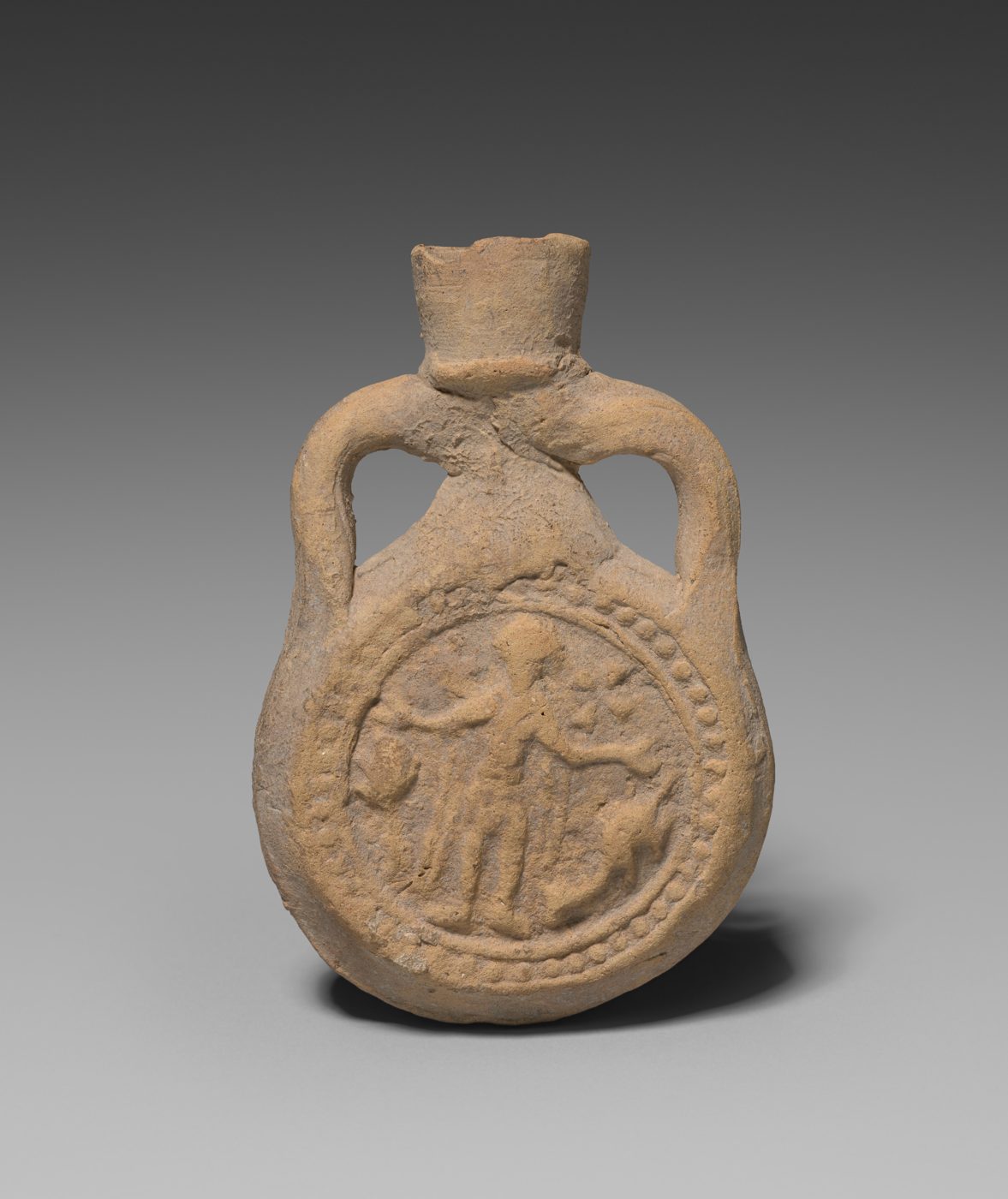
The Era of the Martyrs
The Coptic calendar counts its years from AD 284, the Era of the Martyrs. The Church has always honored those who bore witness to the faith.
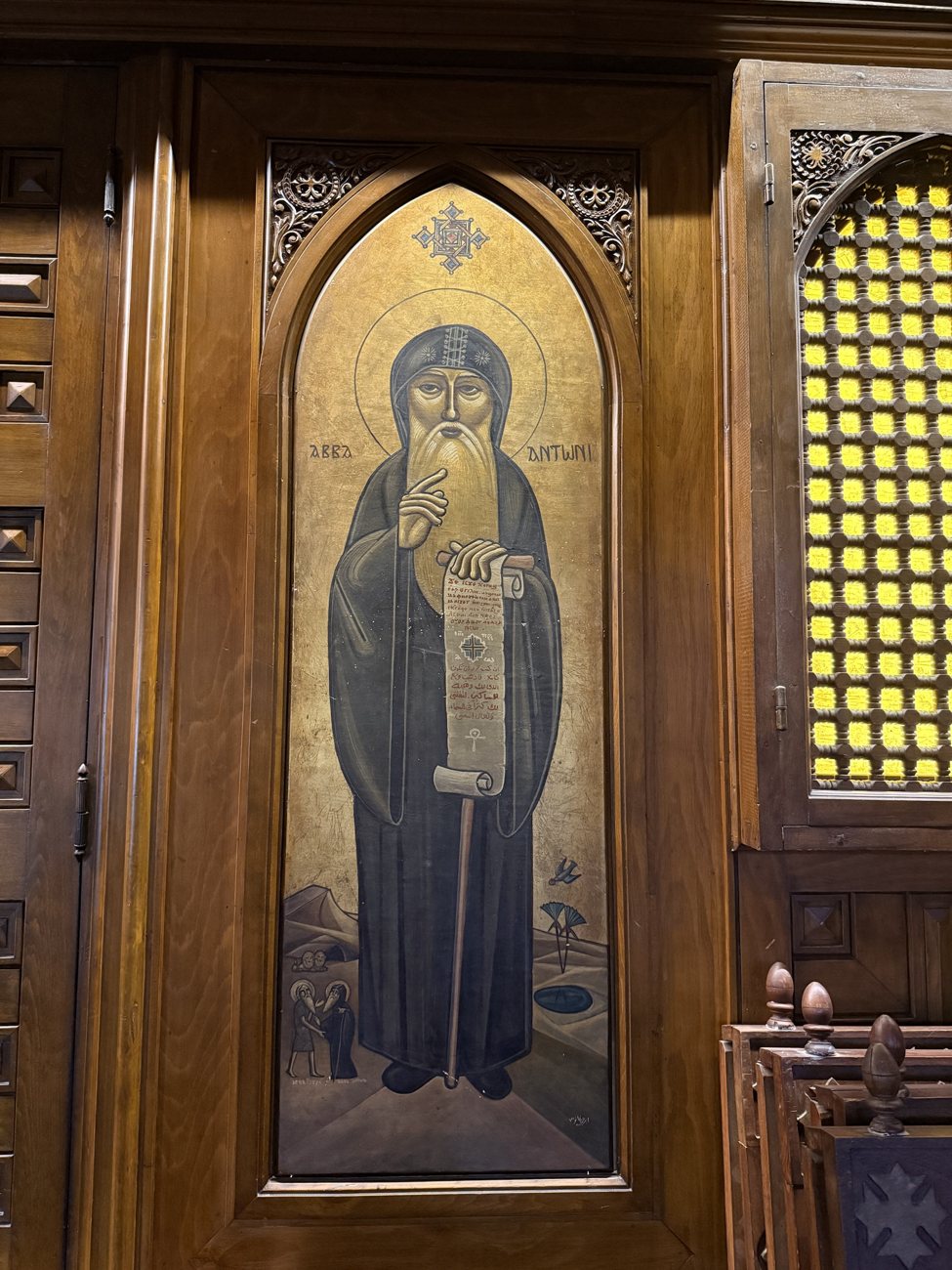
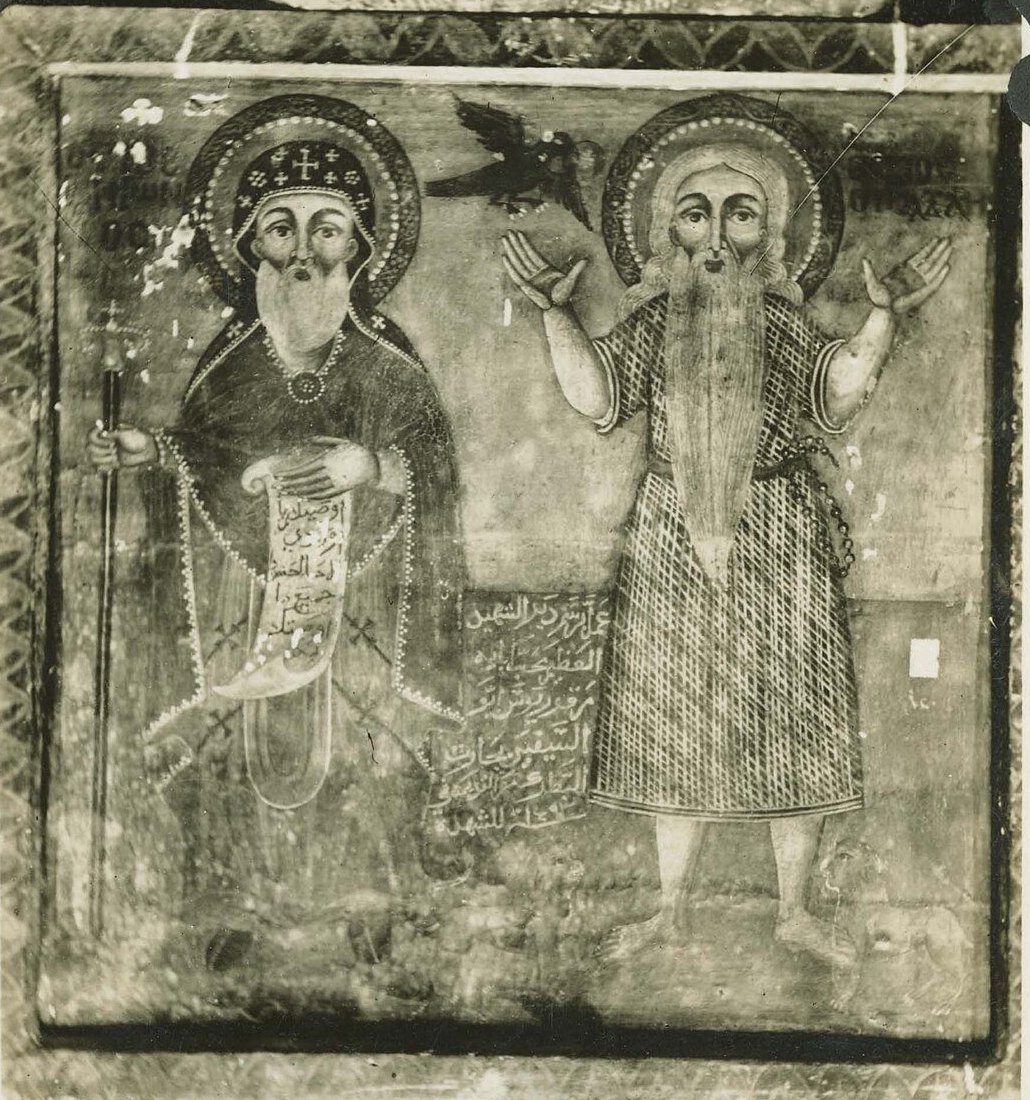
St. Anthony and the start of monasticism
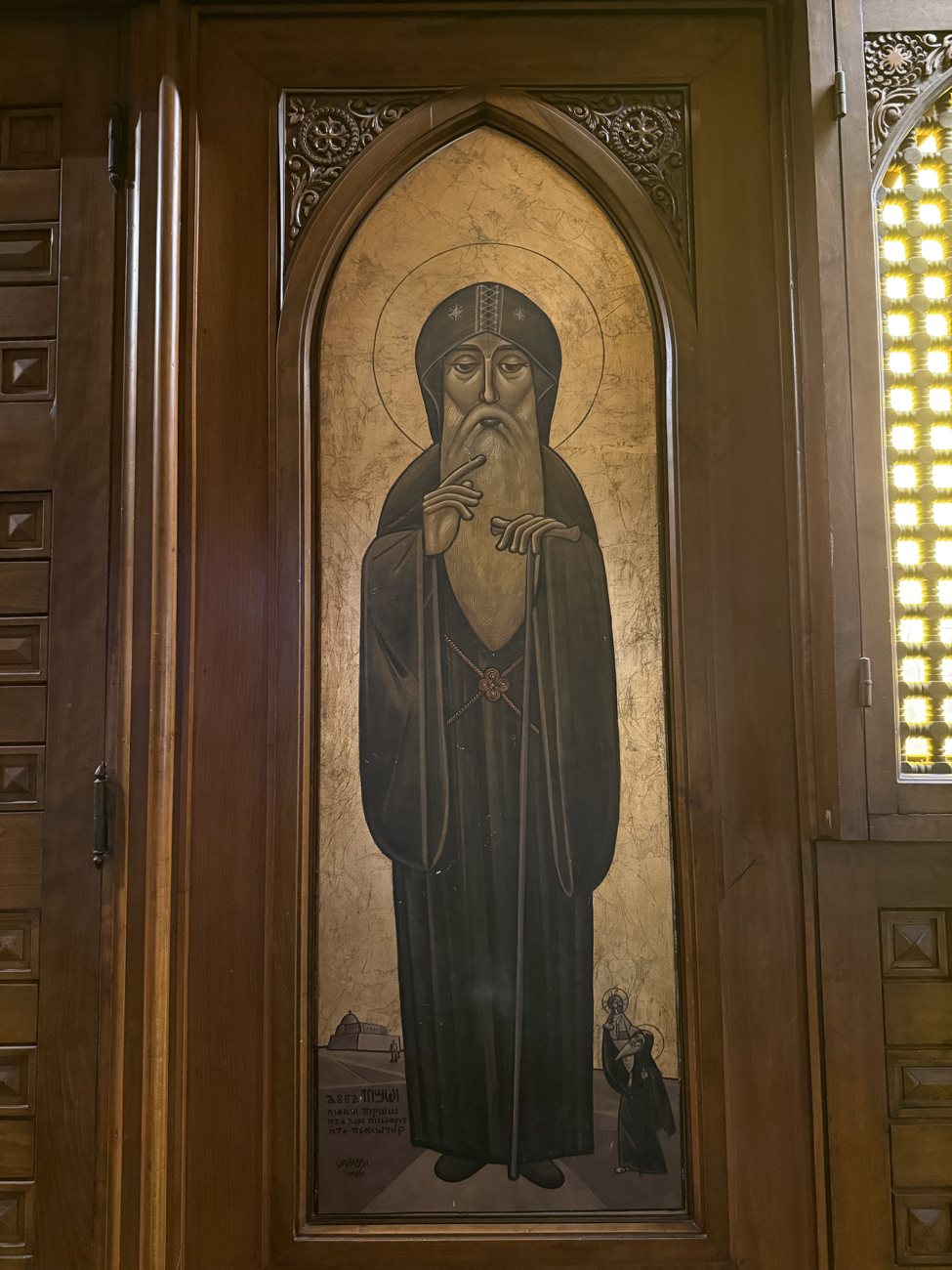
St. Anthony withdrew into the Egyptian desert and became the father of monasticism, which spread from Egypt across the Christian world. His monastery near the Red Sea still stands. 547 articles in our archive mention him.
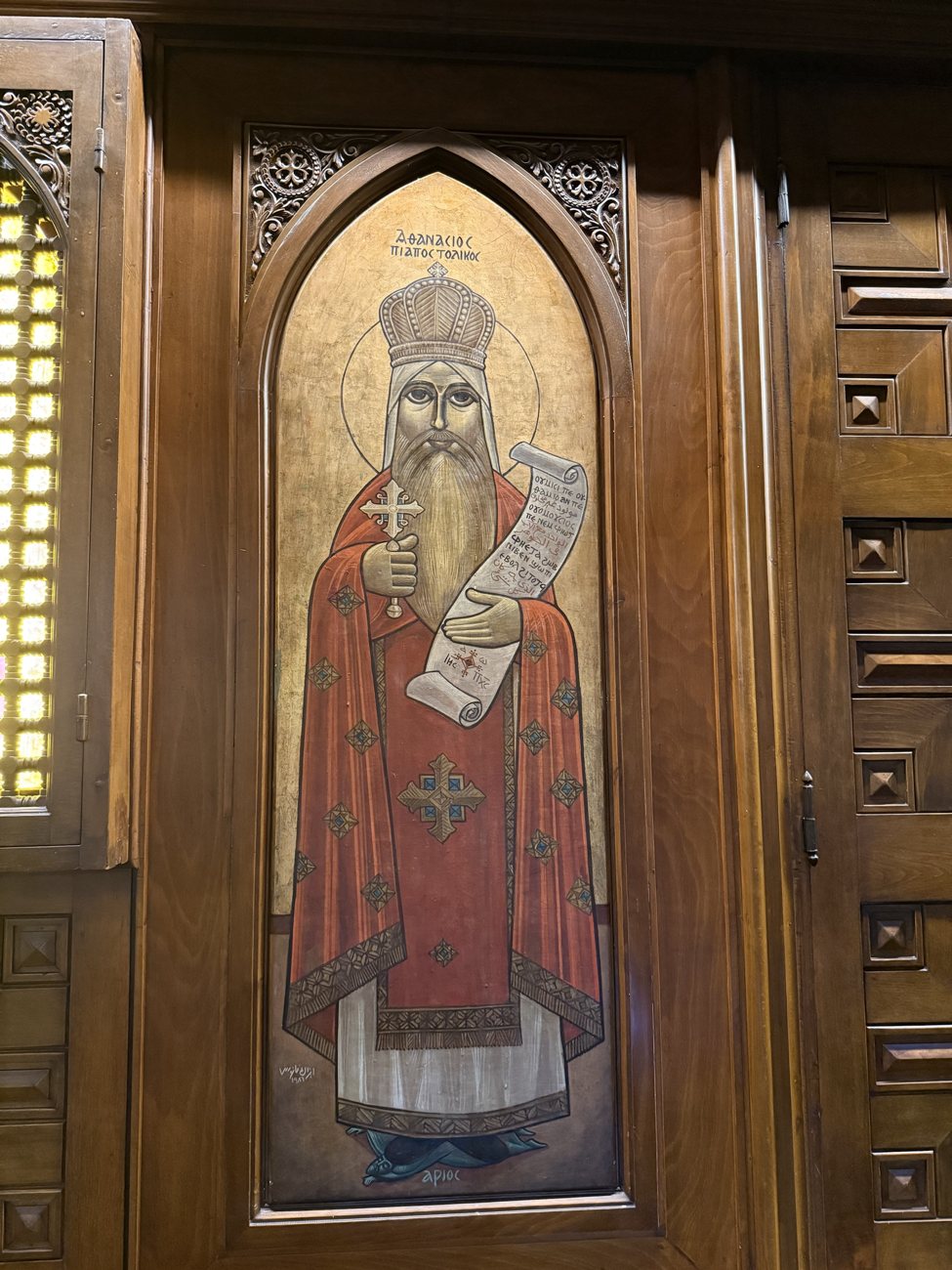
Pope Athanasius the Apostolic and the Creed
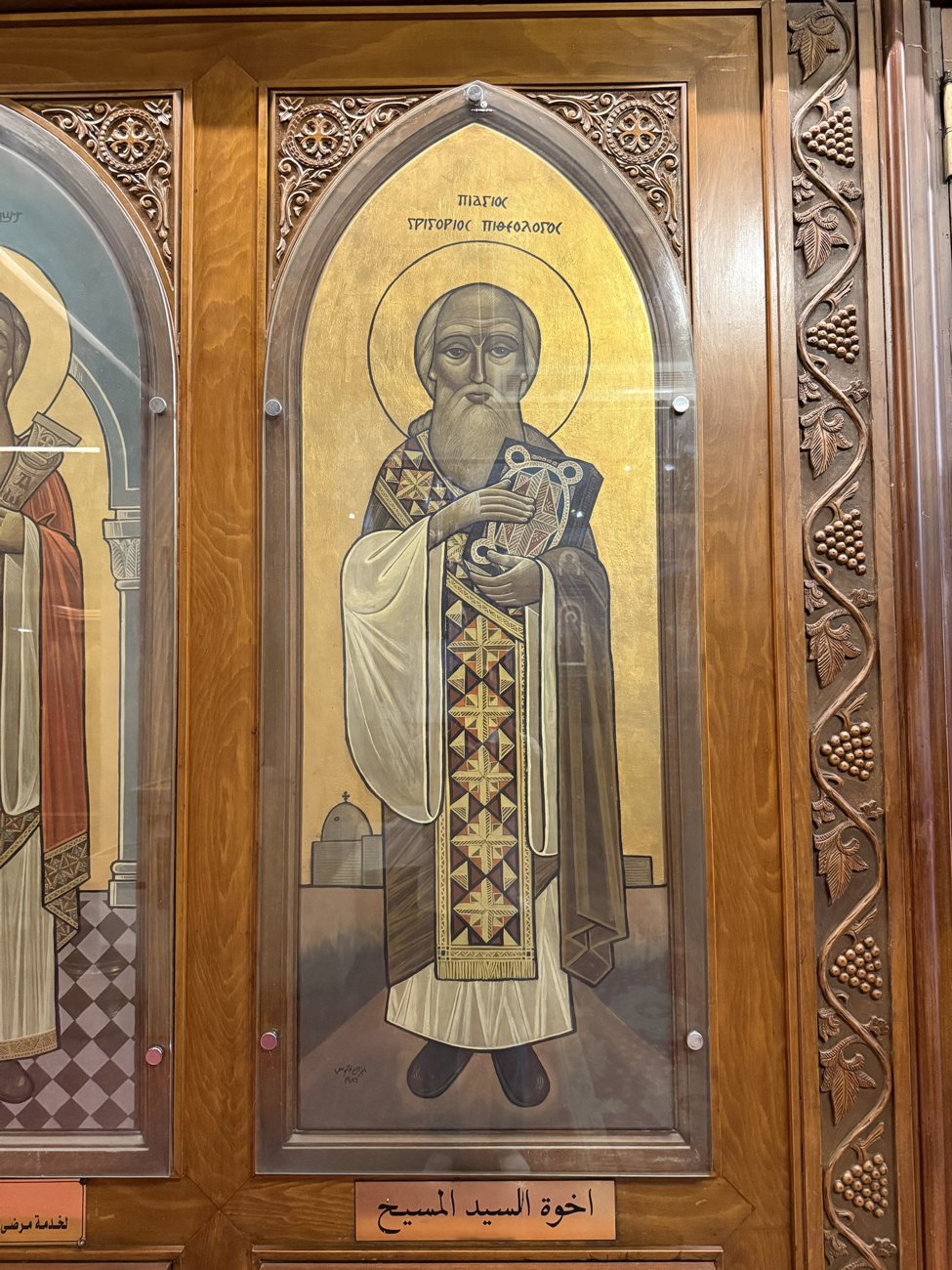
At the Council of Nicaea in AD 325 he served Pope Alexander as deacon and helped shape the Creed. As pope, for 45 years, he defended it, and the Church honors him as the Defender of the Faith. He also wrote the Life of St. Anthony. 698 articles in our archive mention him.
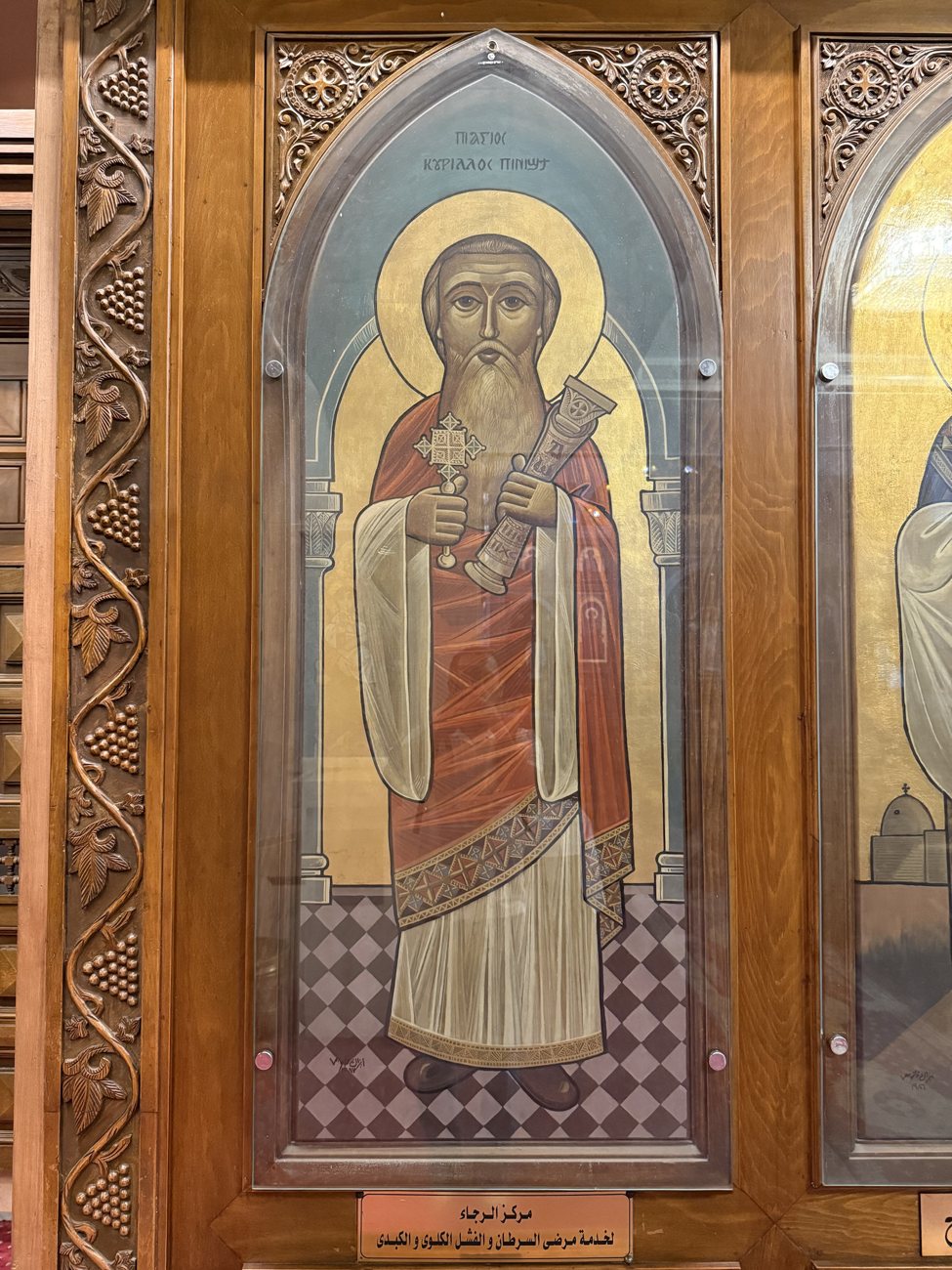
The split at Chalcedon
The Council of Chalcedon divides Christendom over how to describe the natures of Christ. Pope Dioscorus I (444 to 454), successor of St. Cyril the Great, does not accept its definition, and the Coptic Church continues as one of the Oriental Orthodox churches.
The Arab conquest of Egypt
Arab armies take Egypt. Pope Benjamin I (623 to 662) leads the Church through the change from Byzantine to Arab rule.
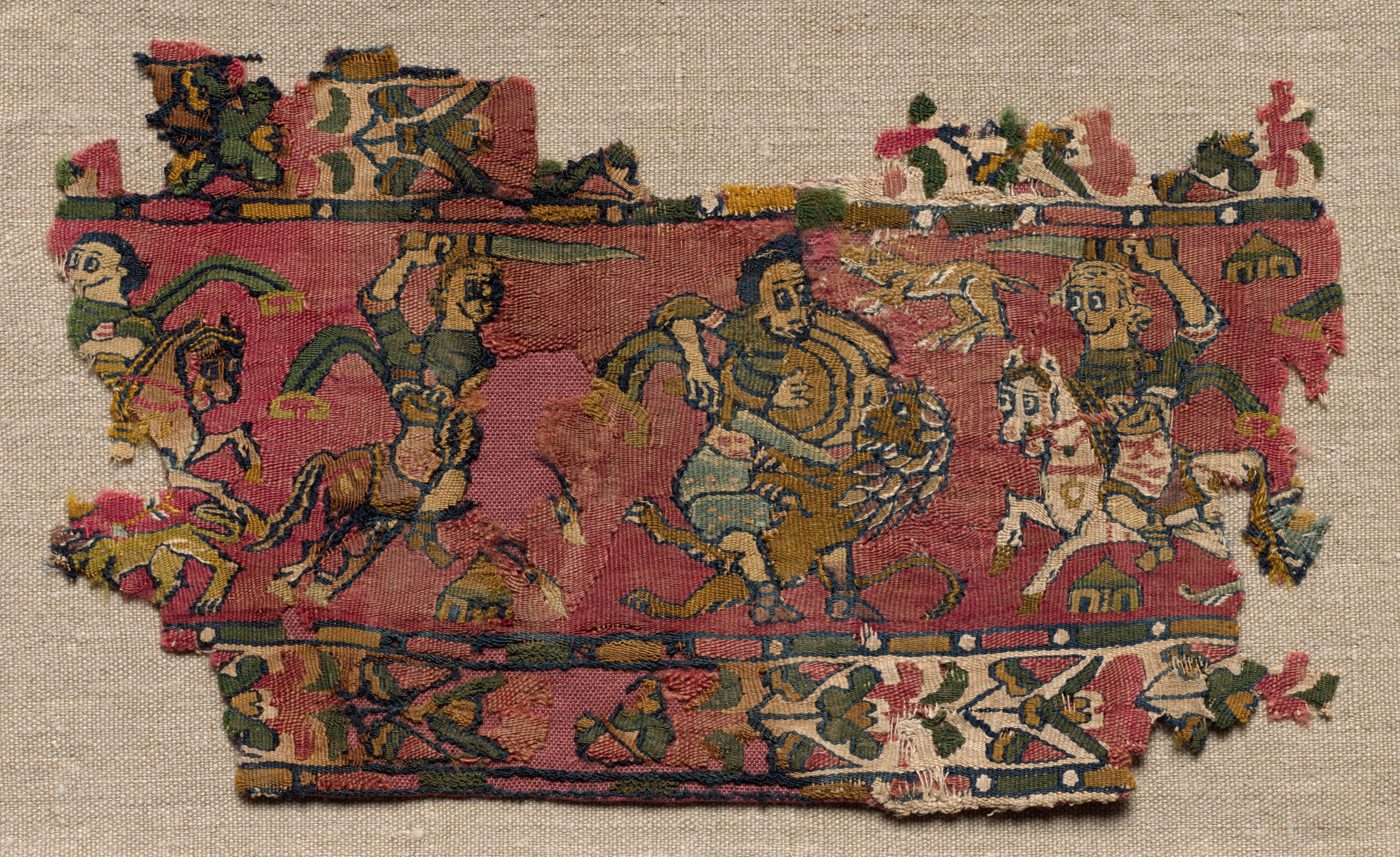
More than 1,100 years pass. It is a long period, so this timeline skips it. The museum's introductory gallery covers it.
The French expedition
The French arrive in Egypt and the modern period opens. Pope Mark VIII (1796 to 1809) leads the Church.
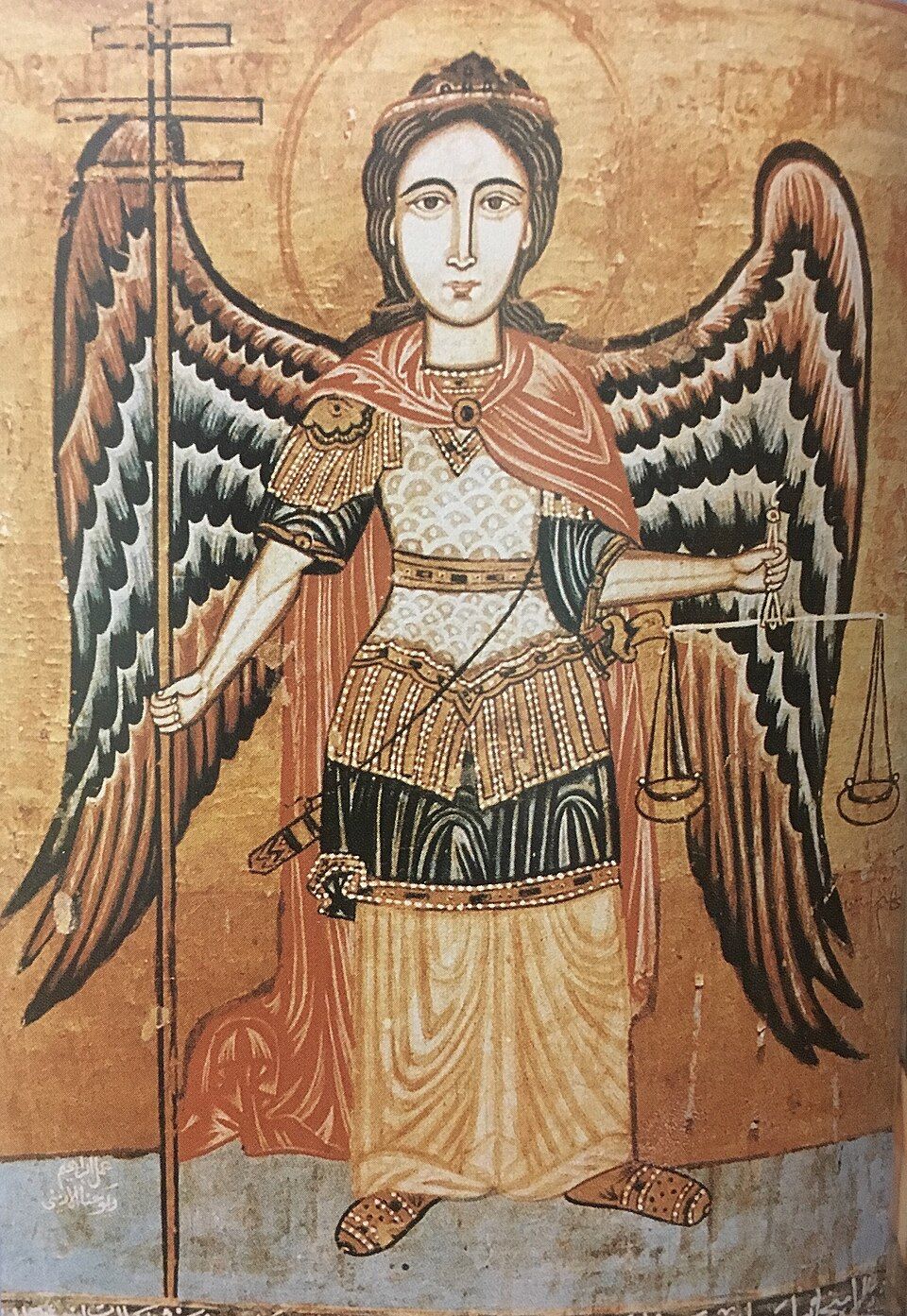
Pope Cyril IV, the Father of Reform
Known in Arabic as Abu al-Islah, the Father of Reform. He opened schools for Coptic boys and girls and brought a printing press to the Church. 100 articles in our archive mention him.
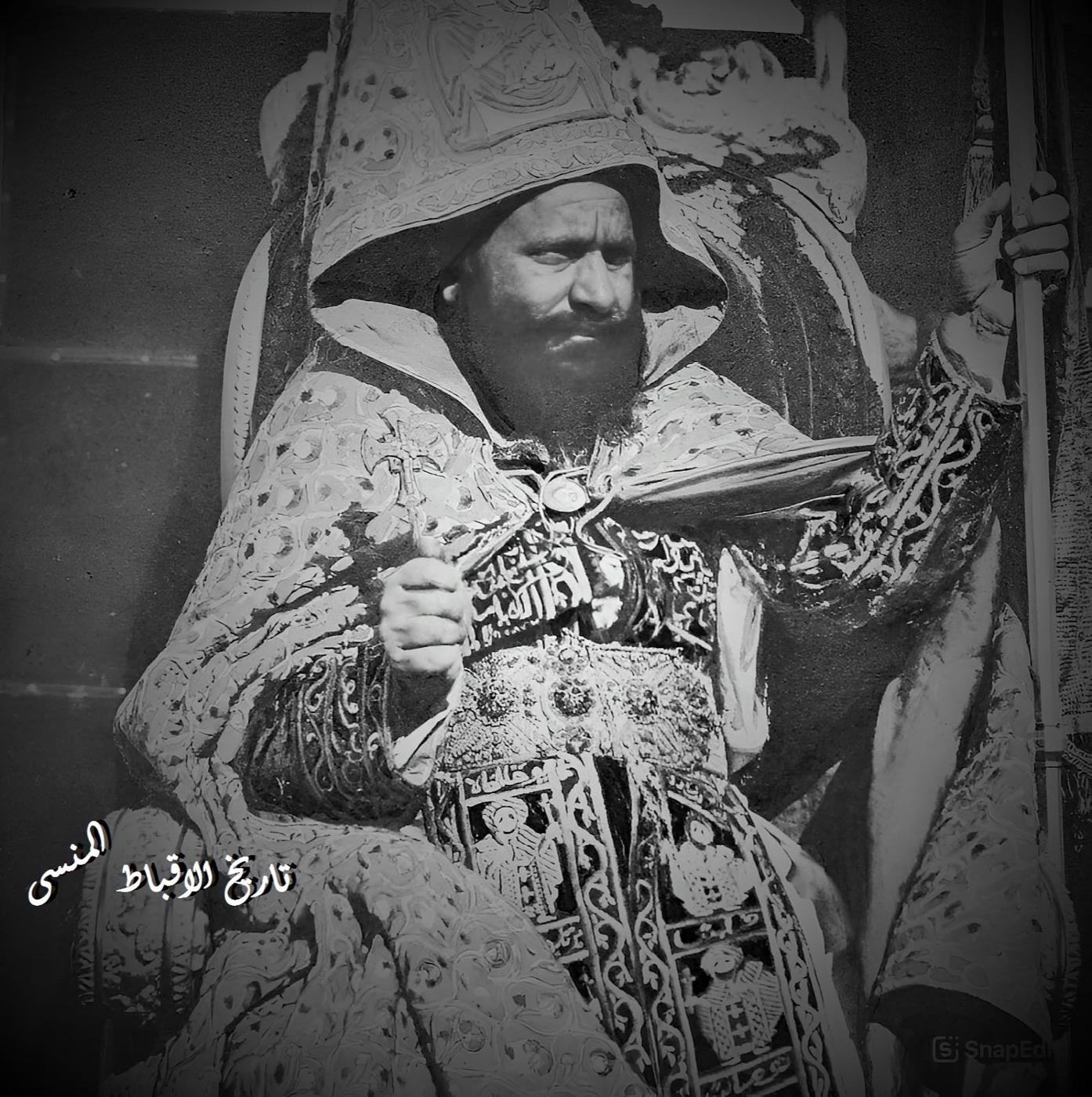
The longest reign
Pope Cyril V was the longest reigning pope, serving 52 years, 9 months and 6 days. His reign saw the Coptic press begin. 313 articles in our archive mention him.
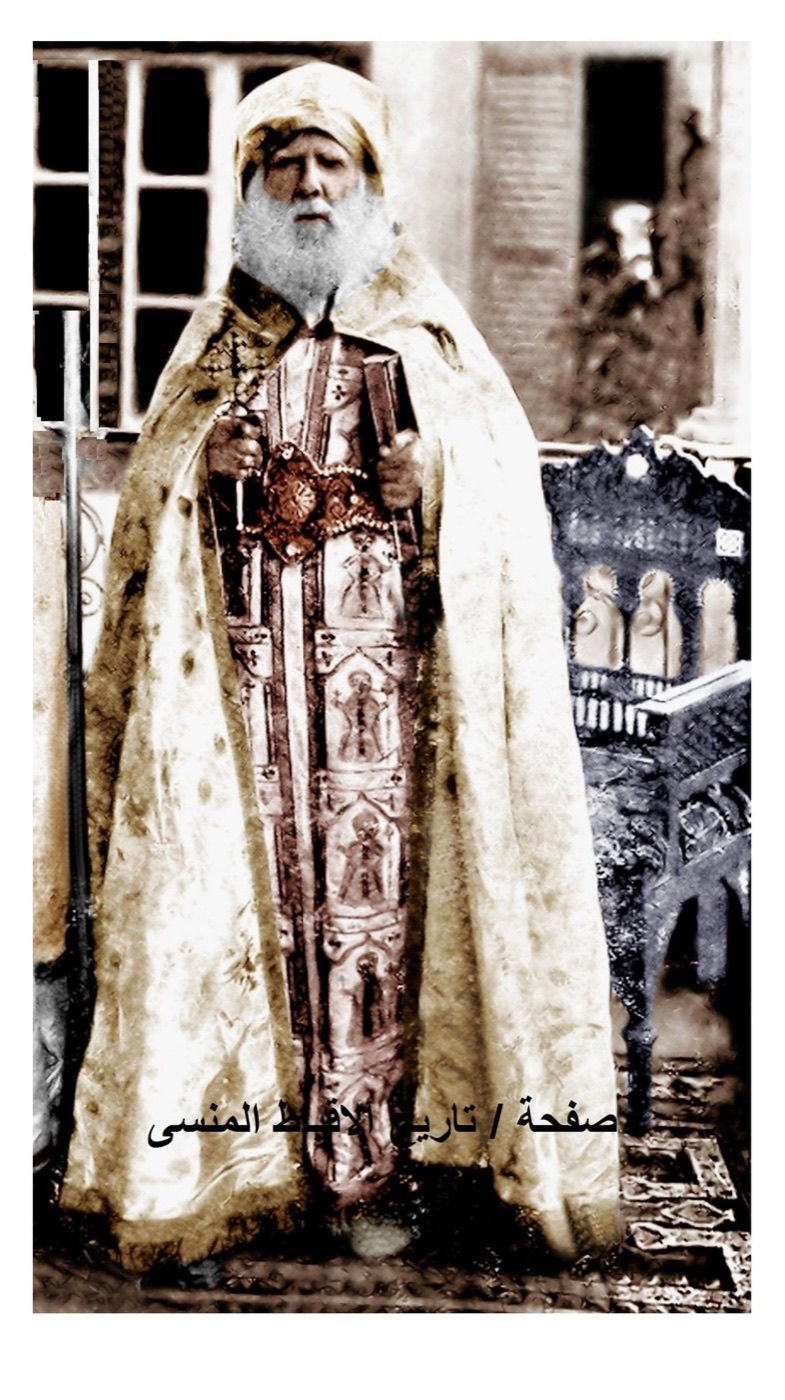
The press begins
Truth (al-Haqq) is the earliest title in our archive. Zion, Heliopolis and al-Karma follow within ten years.
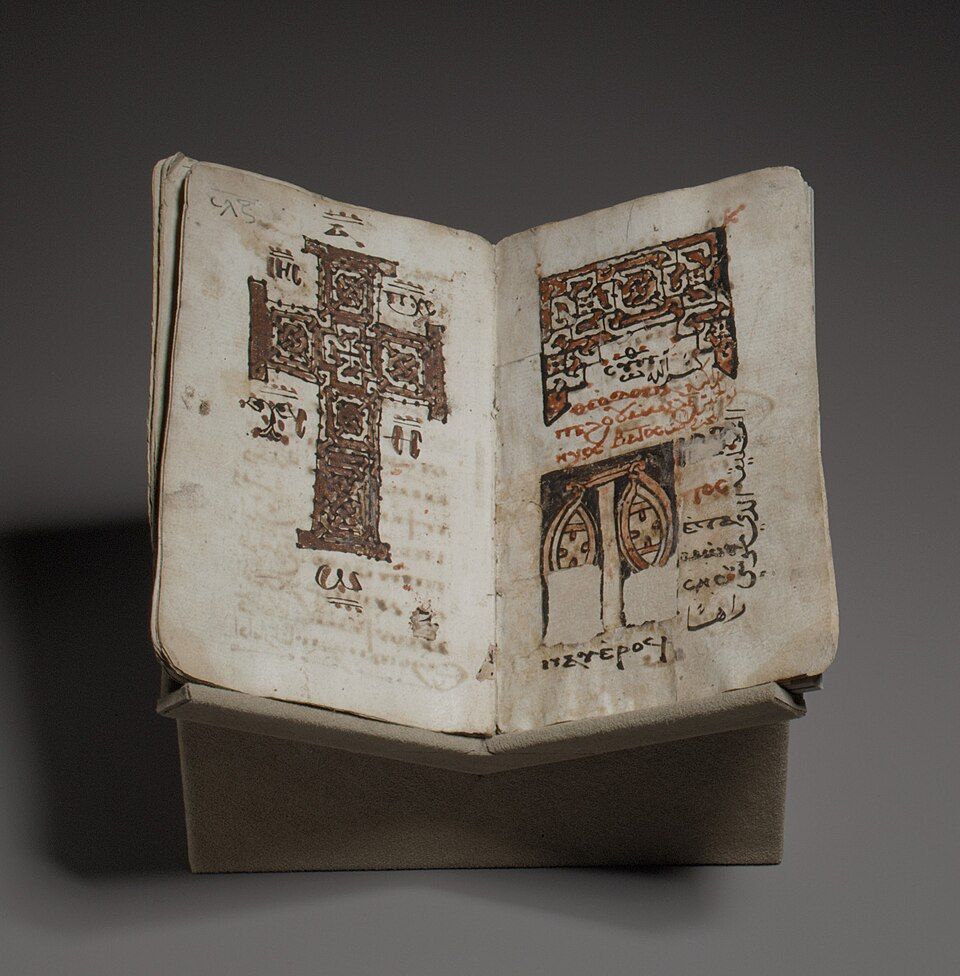
St. Habib Girgis and the Sunday School
Archdeacon, teacher and reformer. 298 articles in our archive mention him.
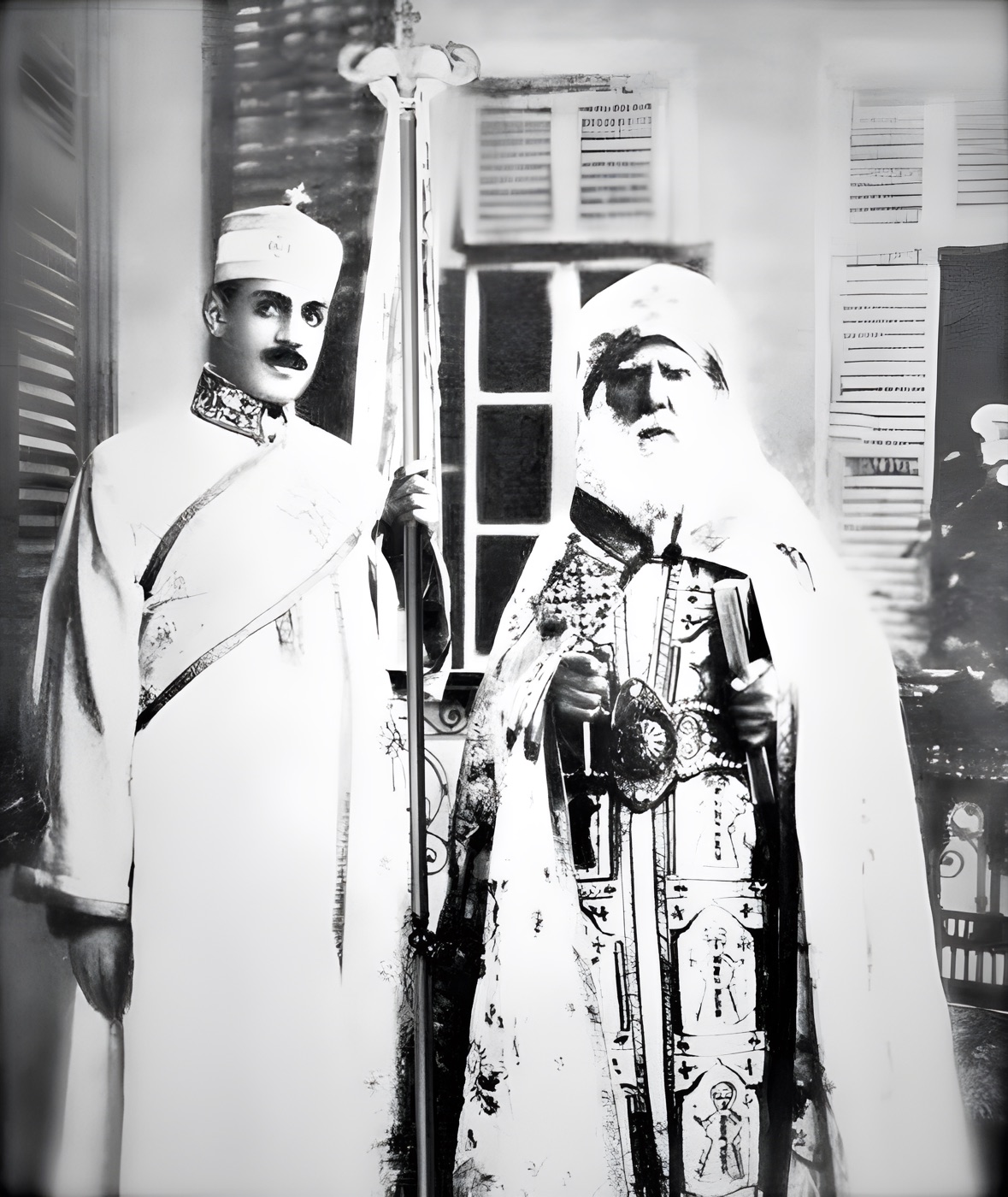
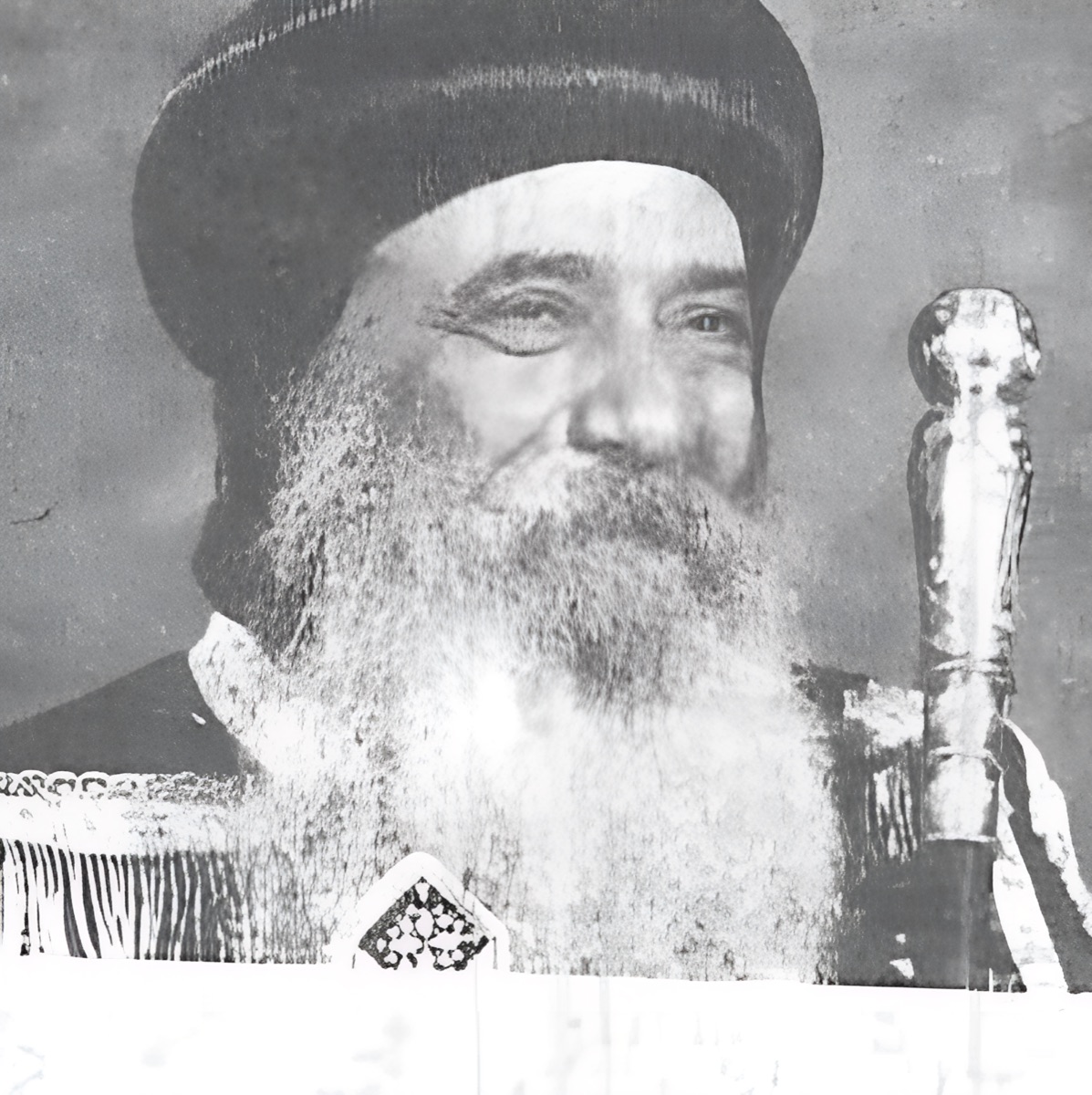
St. Pope Cyril VI
A visionary who renewed the spiritual life of the Copts through the liturgical offices. 280 articles in our archive mention him.
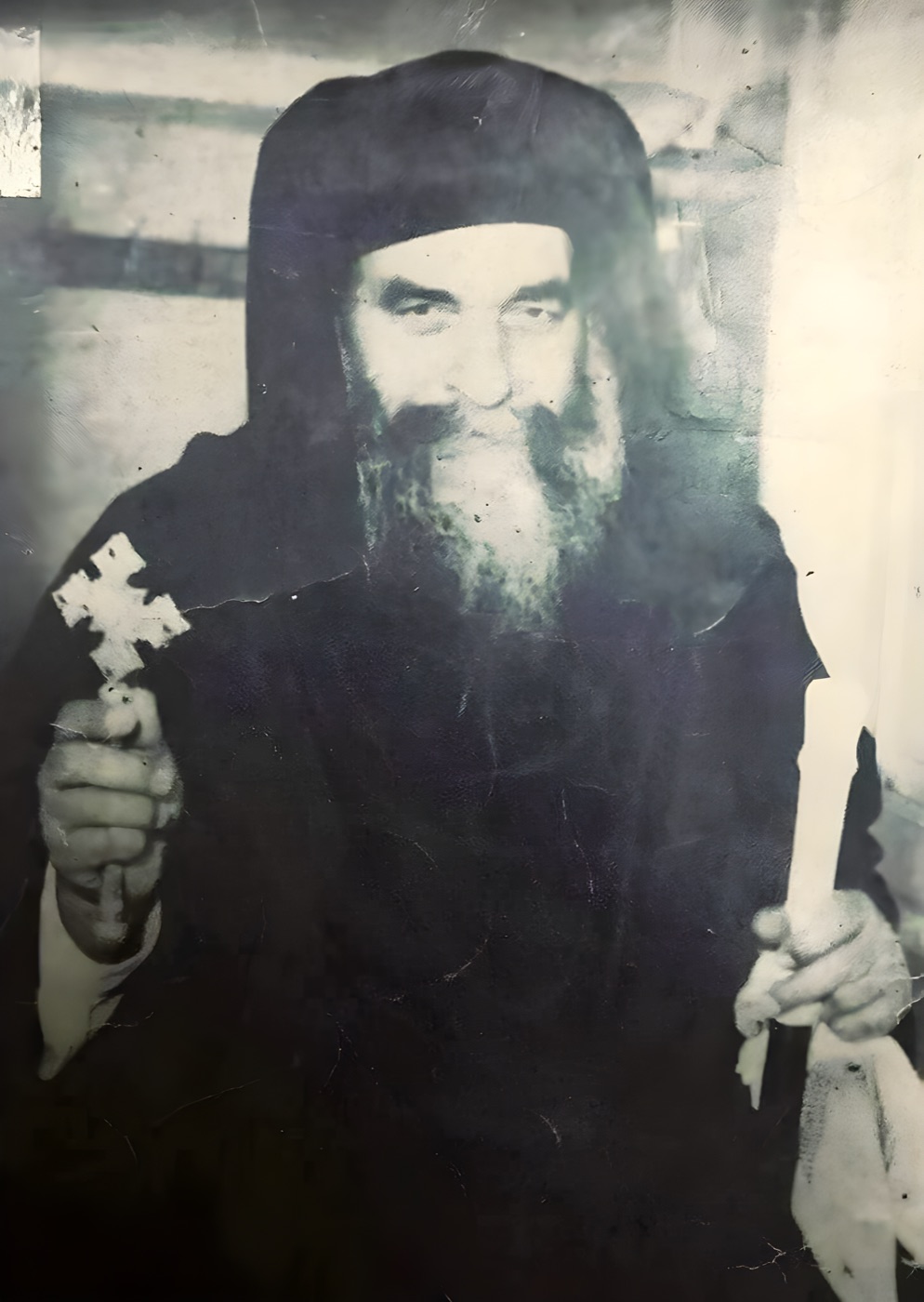
Pope Shenouda III
A charismatic leader, loved by Egyptians, Muslims and Christians alike, who shaped the life of the modern Church and of Egypt. He was placed under house arrest under the Sadat regime. 4,283 articles in our archive mention him.
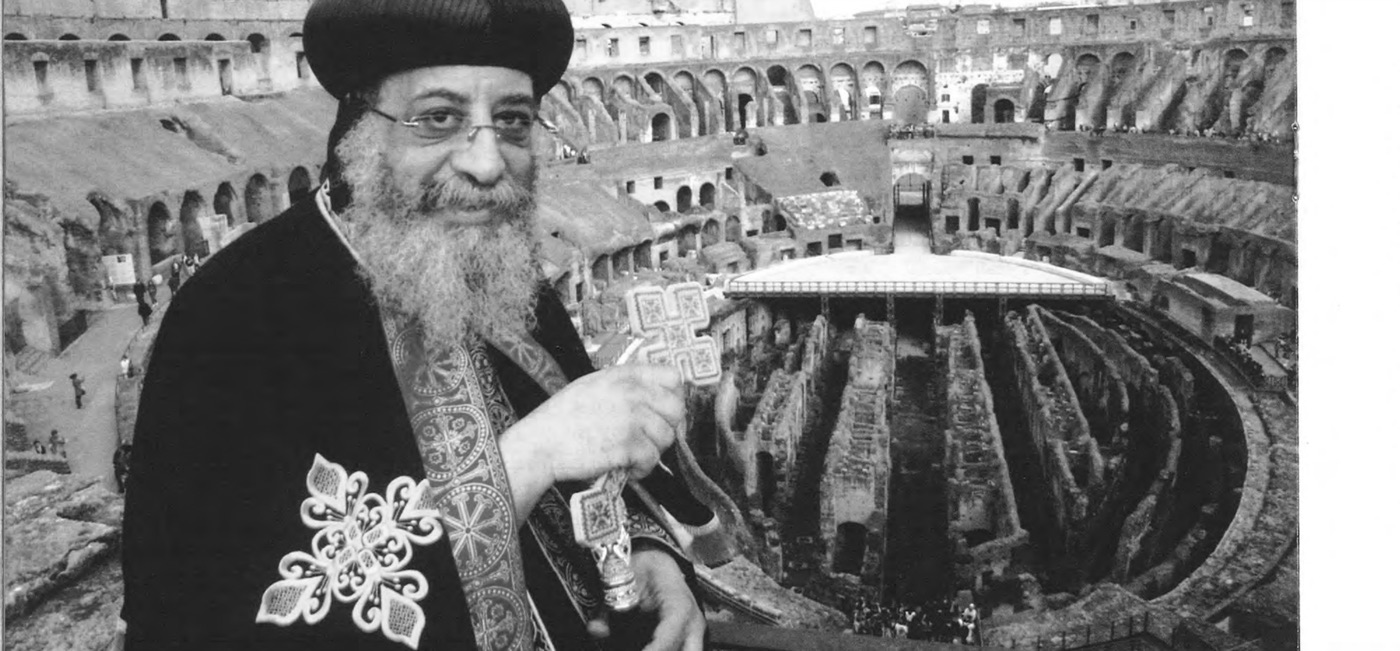
Pope Tawadros II
The 118th pope of Alexandria. In 2015 he added the 21 martyrs of Libya to the Church's book of saints and martyrs. 651 articles in our archive mention him.
Icons by Dr. Isaac Fanous
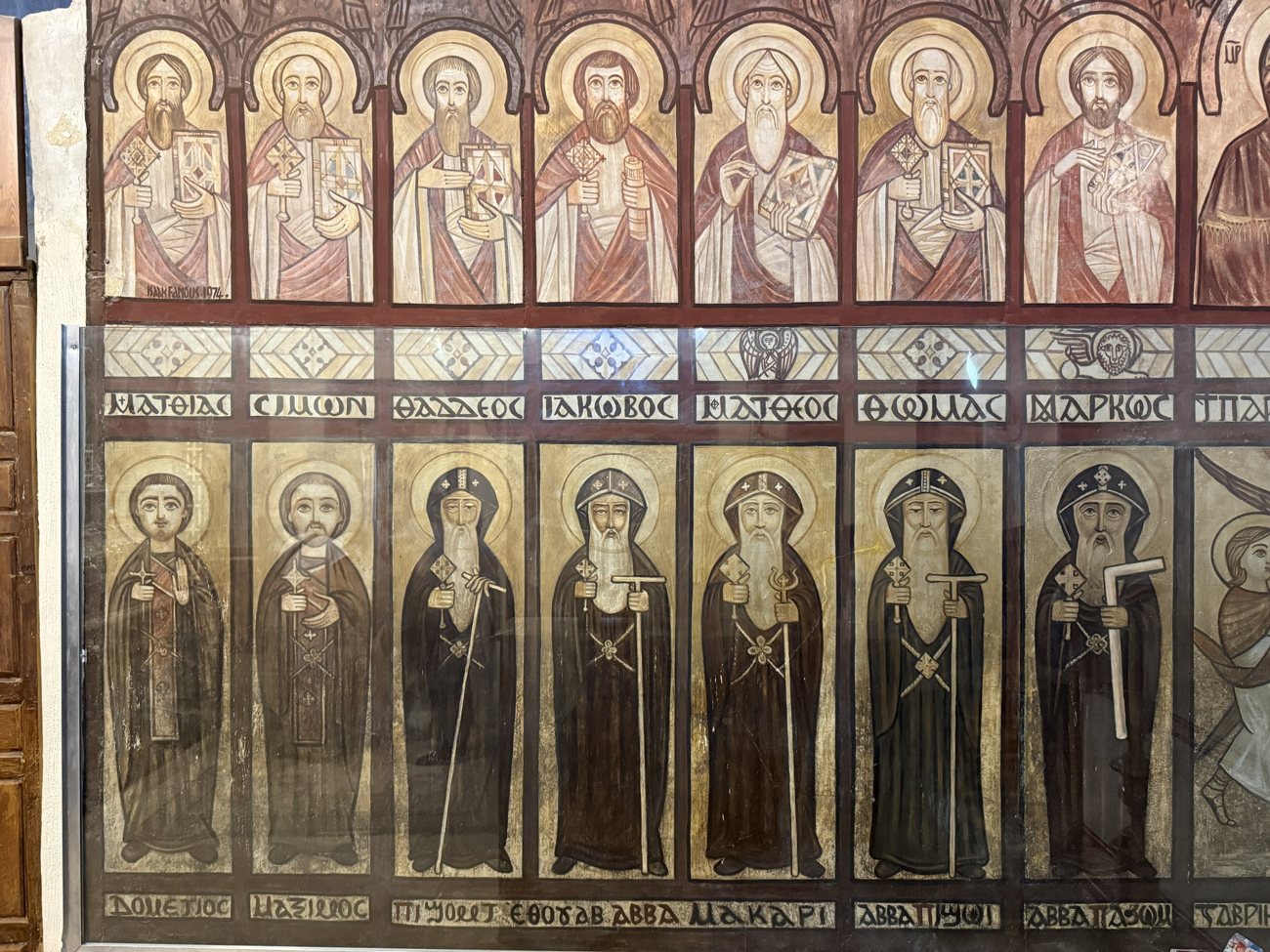
Many of the icons on this page are by Dr. Isaac Fanous (1919 to 2007), the father of modern Coptic iconography. The icons, all signed 1986, are at St. Mary Church, Ard El-Golf, Cairo. The St. Mark mural is in the Shrine of St. Mark beneath the cathedral altar. The frieze is signed 1974: al-Kiraza reports that Fanous painted the walls of the new church at St. Bishoy's seat in Cairo that year. [Please confirm that this is where the frieze hangs.]
Search 120 years of Coptic magazines
Seven digitized titles, 1894 to 2015. Ask a question in English and read the Arabic source with its citation.
Founded by His Grace Bishop Suriel
The museum tells the story of Egypt's native Christians, from the French expedition to the present. It is an educational and historical institution, open to everyone.
About the museum and its founderCome and see, or help us grow
Visits are by registration, in groups of about 20. Gifts go through the Saint Habib Girgis Foundation.